March 6, 2026
How to Use AI for Bioregional, Hyper-Local Immersive Travel Experiences
Bioregionalism reimagined — Hamburg edition
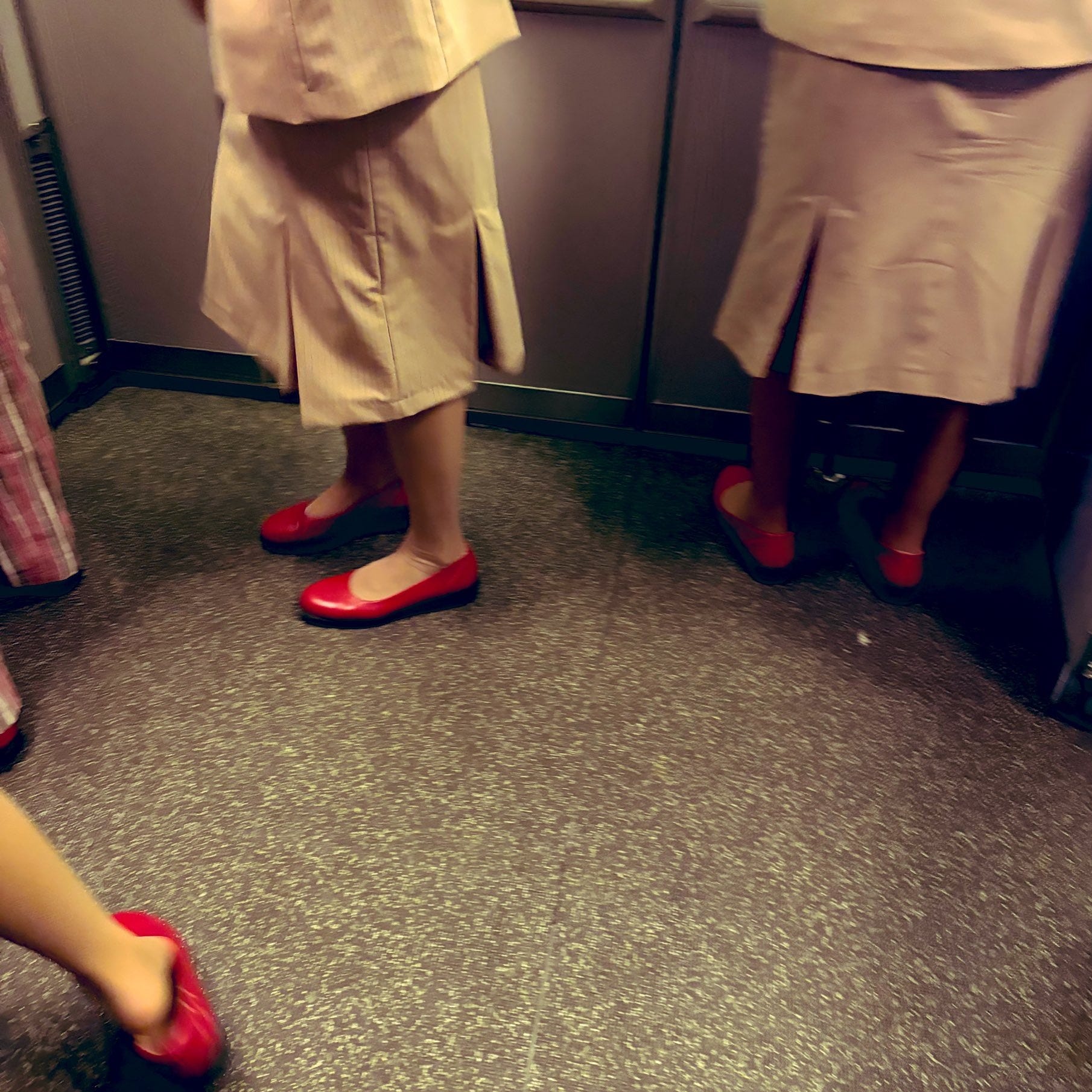
I recently made a highly unplanned, unexpected trip to Hamburg, Germany. My very first time in Germany. How I got there is an interesting story in itself — I was mid-air flying to Dubai when the US and Israel launched an air attack on Iran. The pilot quickly redirected the plane, dropping us in Hamburg. Wanting to make the best of my stay while stranded, I turned to AI.
Emirates crew just minutes before our plane was redirected to Hamburg.
I’m a tourist who loves exploring any place by foot, avoiding tourist guides and those top-10-destination tourist traps. I like to immerse myself fully rather than touch and go. There’s no other way than AI for that.
In this post, you’ll find the most unexpected AI use cases to make your travel much more immersive. No travel guides needed, no struggling with language. Just pure immersive bioregional experience.
AI tools I used: Grok (love their mobile experience — most up-to-date information and personality style, makes it a super fun travel buddy) + Google Translate.
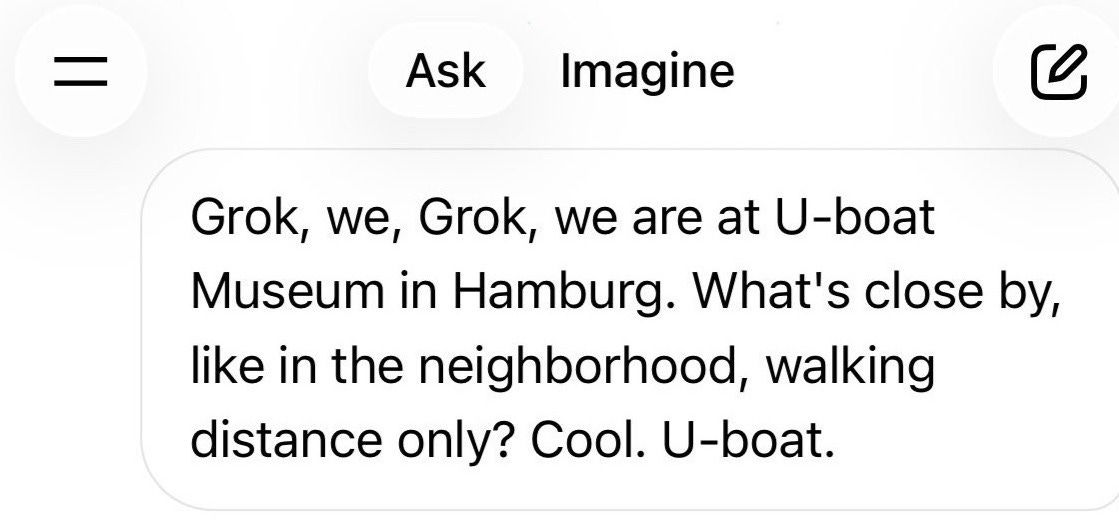
10 wild use cases of AI in travel
1. Instant language unlock is the most mind-blowing stuff. Since everything in Hamburg is in German, I went crazy snapping pictures and getting instant translations in English.
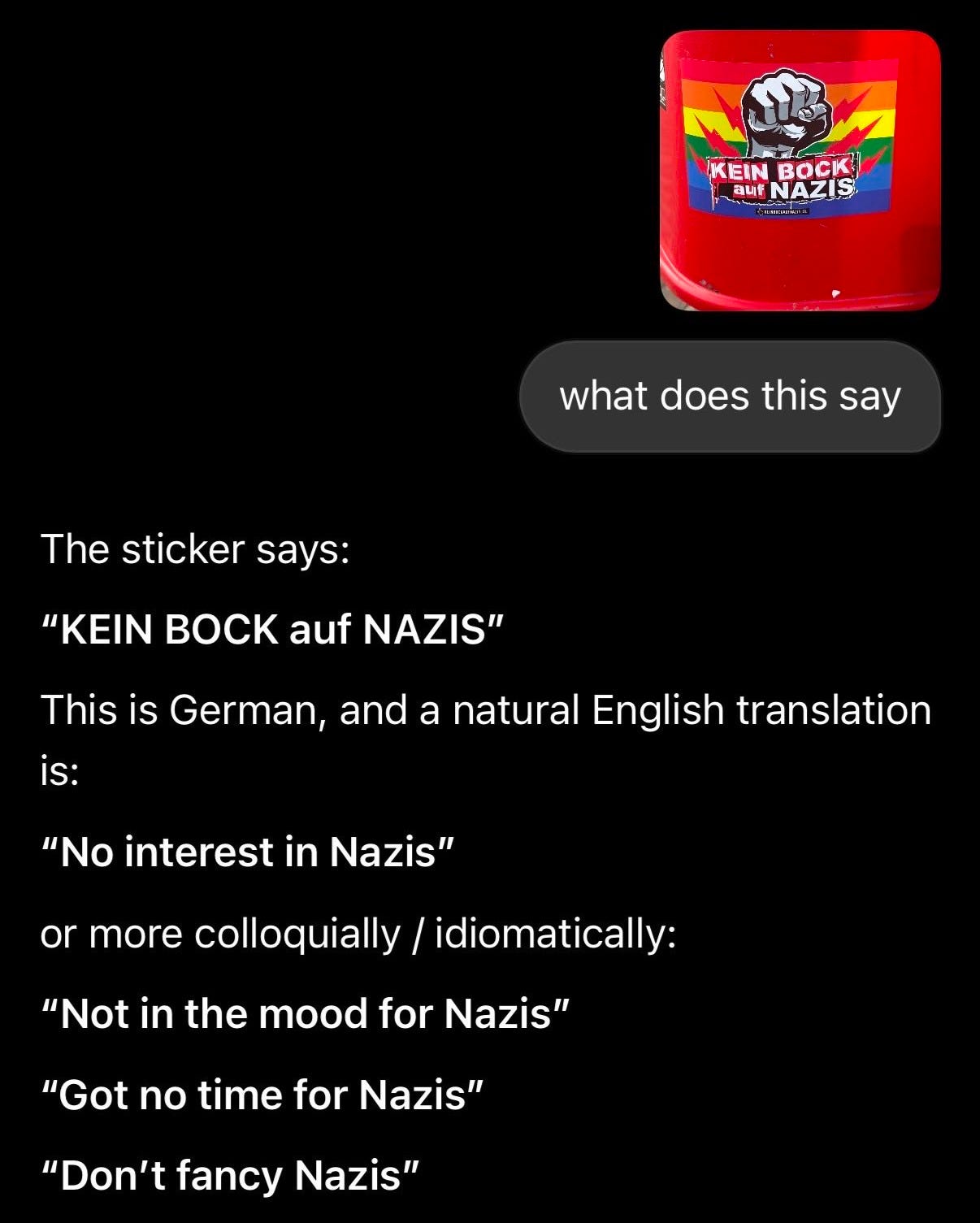 Love the vibe btw.
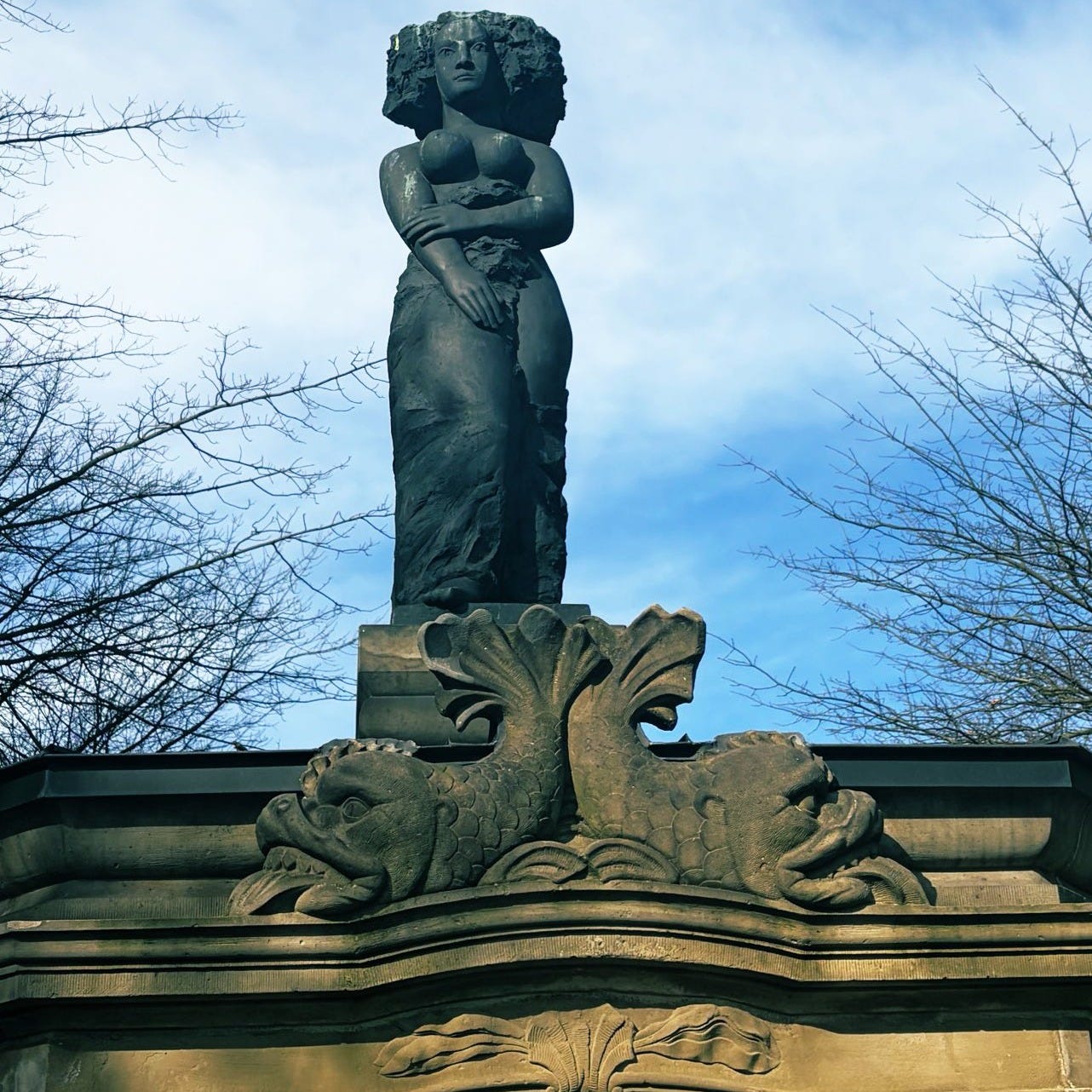
2. Unlocking history has never been this instant. Hamburg is rich in history — tons of historical buildings and works of art. I used Grok to go deep into historical artifacts just by snapping pictures. I took a picture of this statue and asked Grok to tell me about the statue and its neighborhood history to date.
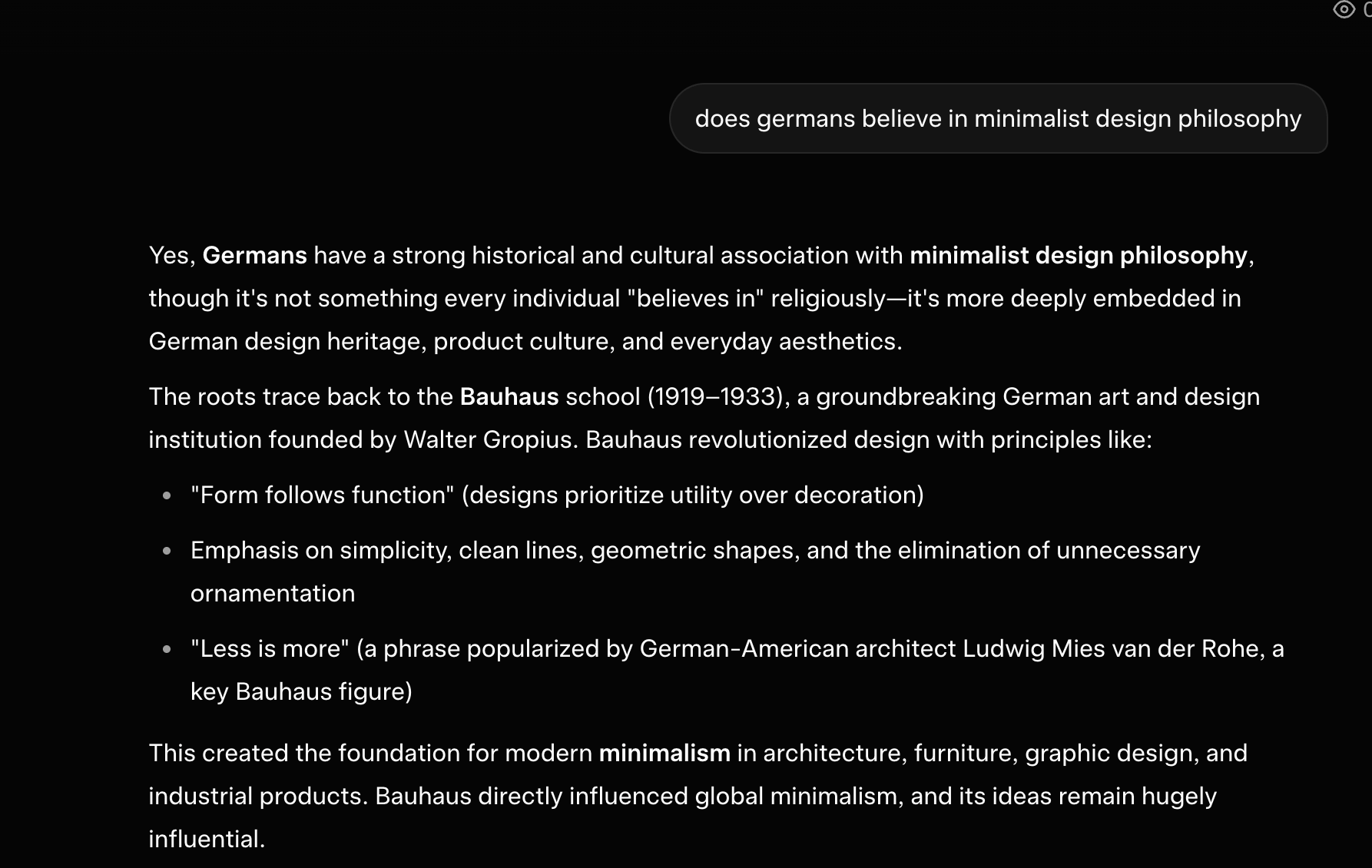
3. Unlocking a country’s design aesthetics. In love with Germany’s minimalist design aesthetics, I asked AI to tell me more — again just by inputting the picture in Grok.
4. Understanding culture and society even when the language is unknown. I came across this striking image in the newspaper and was eager to learn the story behind the image and the coverage. Reading newspapers and local magazines is the best way to understand society.
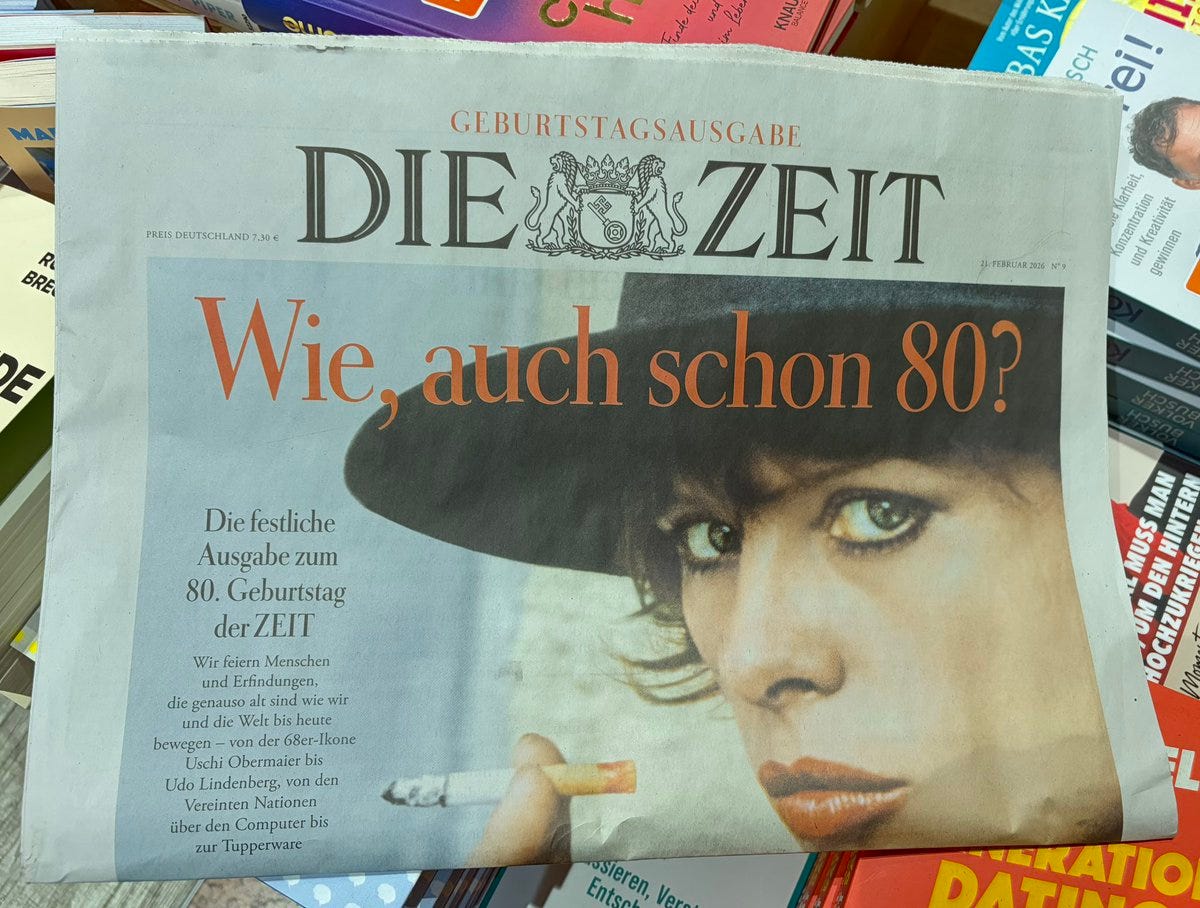
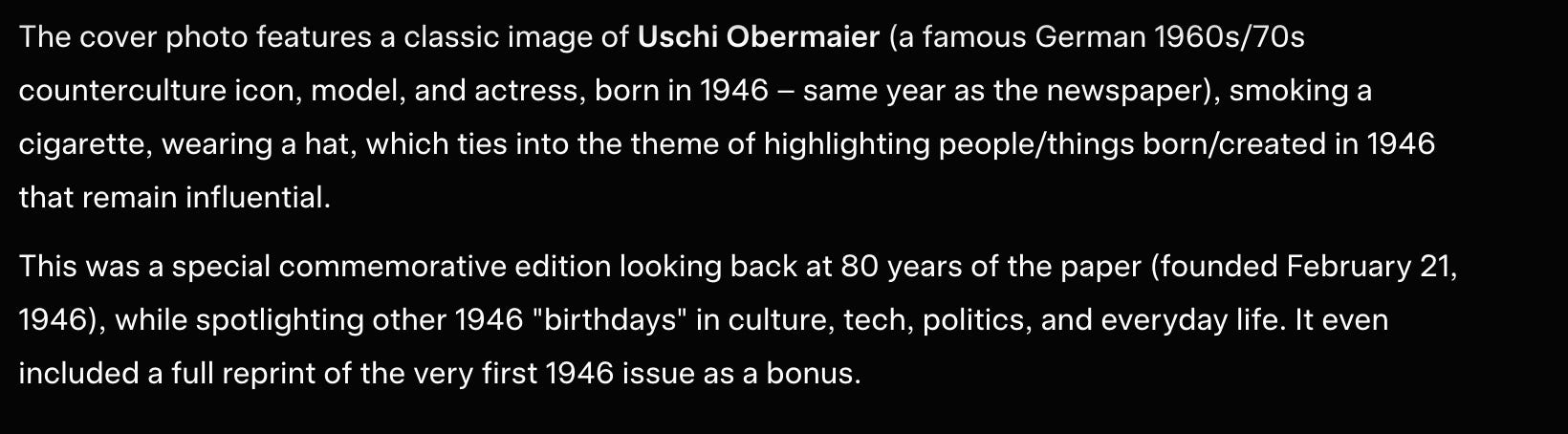
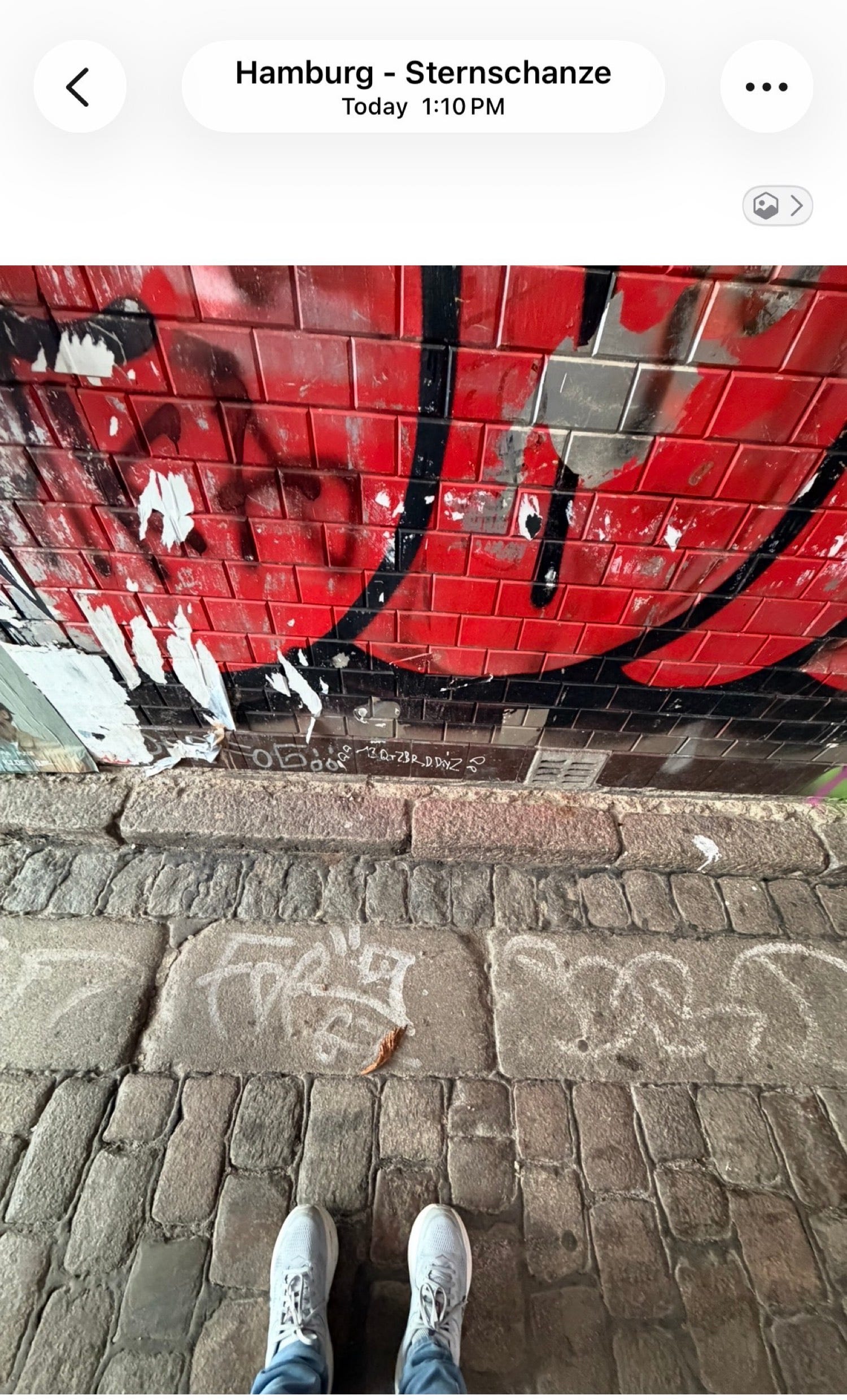
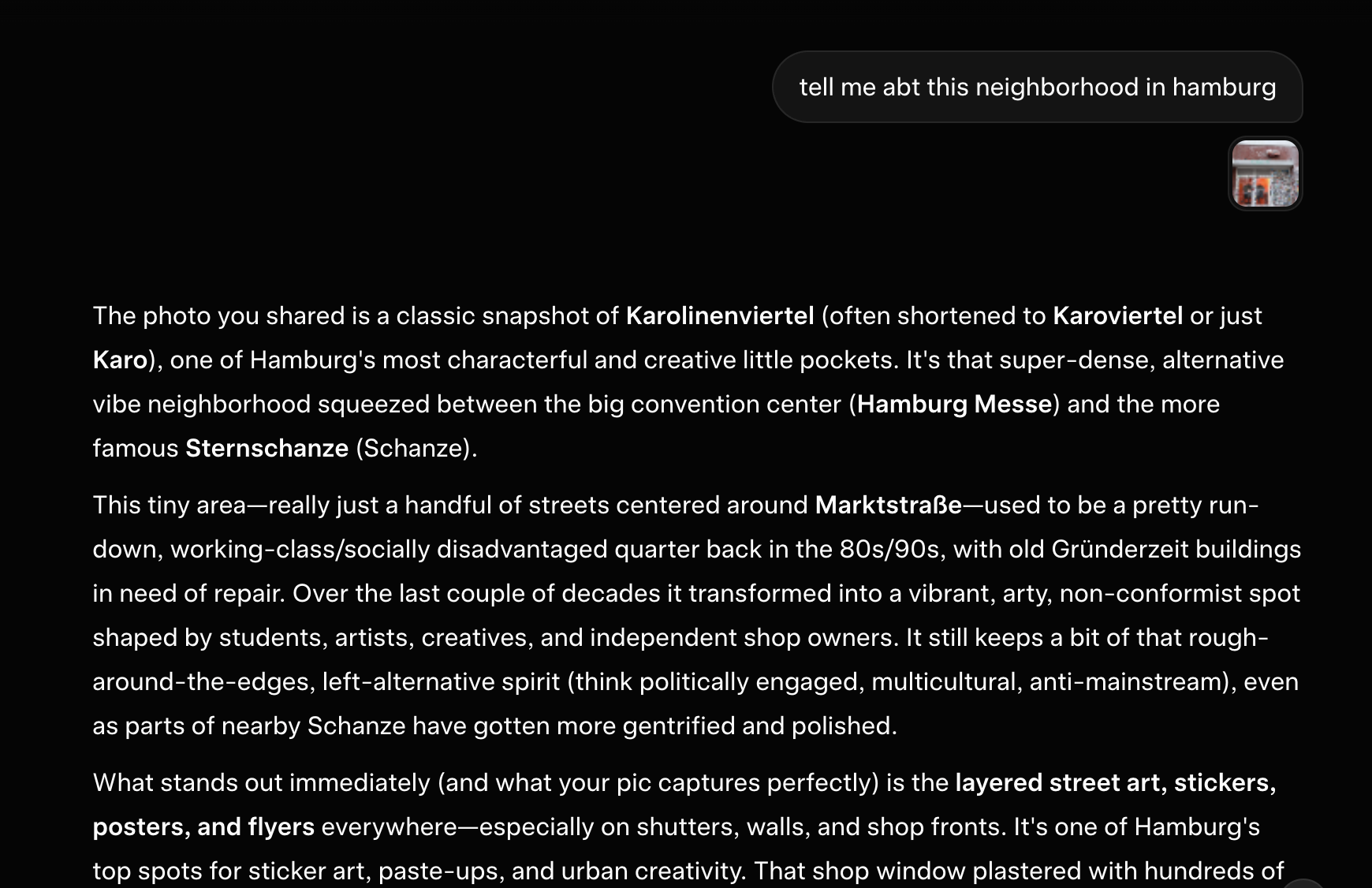
5. Learning about neighborhoods and hyper-local culture. Just snap an image — your phone auto-captures the location name — take a screenshot of the picture and feed it into AI. That’s it. Ask away.
This neighbourhood I accidentally came across is the most fascinating — filled with graffiti art, creatives, gentrification, and a rich history.
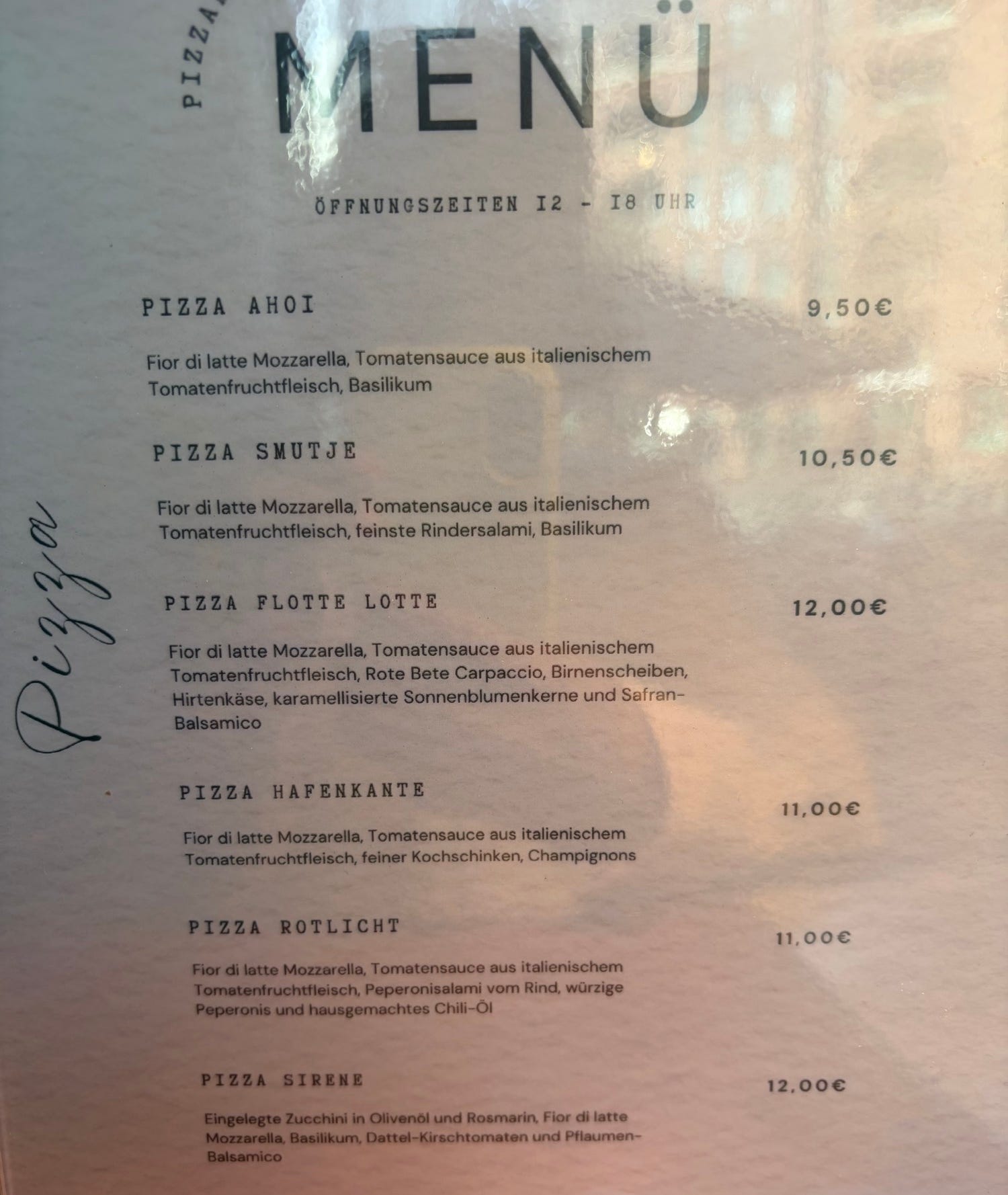
6. Menu translations. Yes — I’m so glad to know what I’m eating. As a vegetarian, I need to make sure there are no traces of fish sauce or meats. In the past, this has been a big pain point for me, but with AI, it’s an instant translate just by snapping the picture.
7. Instantaneous communication with people who don’t speak English — I’d highly recommend Google Translate. It’s literally the most seamless, frictionless communication.
8. Understanding interesting phenomena. How to use AI to understand things like the thermal heat energy zone created at Hamburg’s botanical garden. The perfect alignment of morning sun rays hitting the glass panels of a hip building — I happened to be walking in the middle and felt an instant change in temperature, literally going from cold to hot. The heat was so intolerable that I had to Grok it.
9. In-context learning of a new language. Let me tell you, this is the best way to pick up any new language, and AI just makes it super easy. I learned so many new German words — from how to say “this coffee is good” to “thank you,” “attention,” and everything else in between.
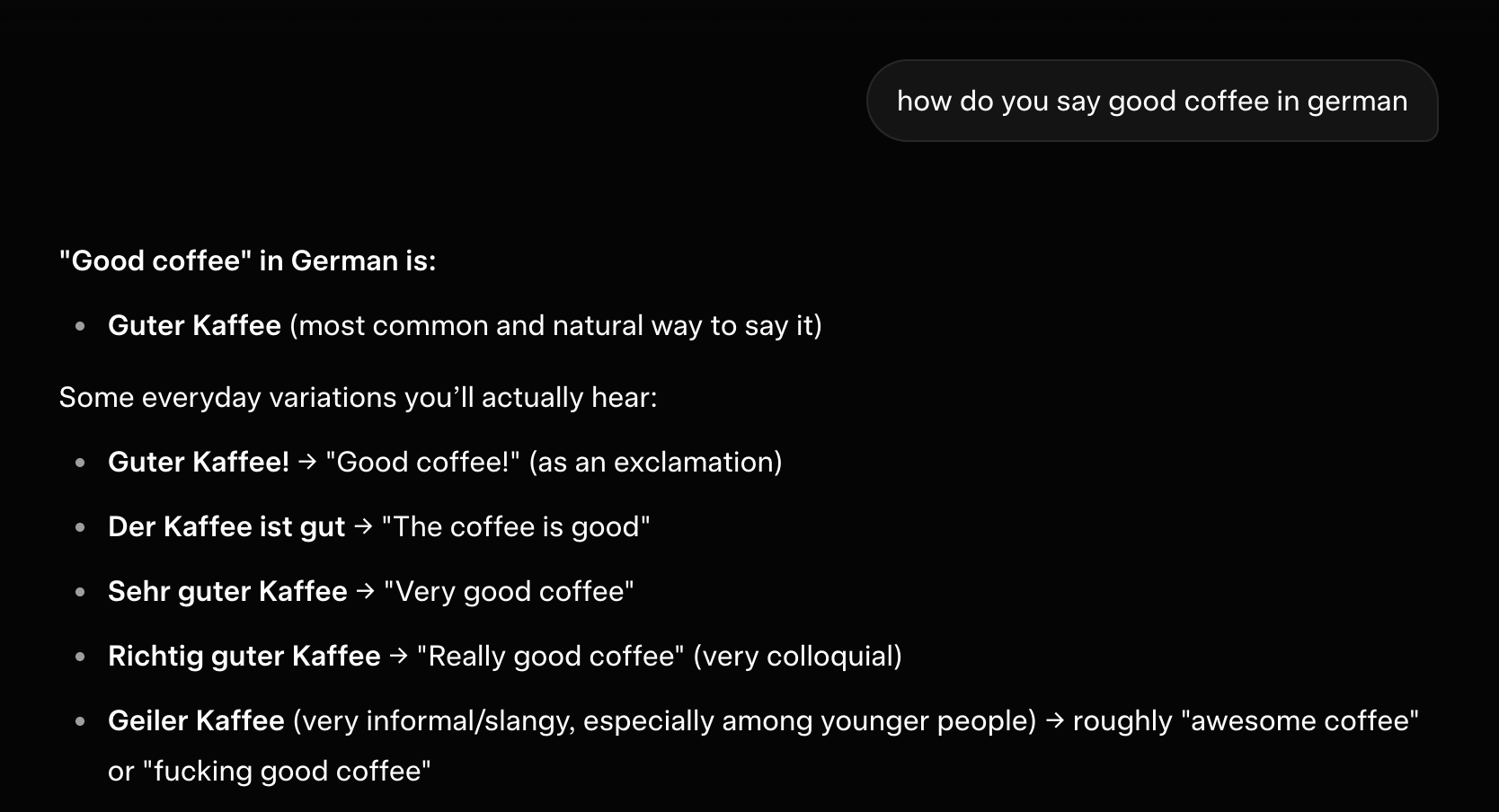
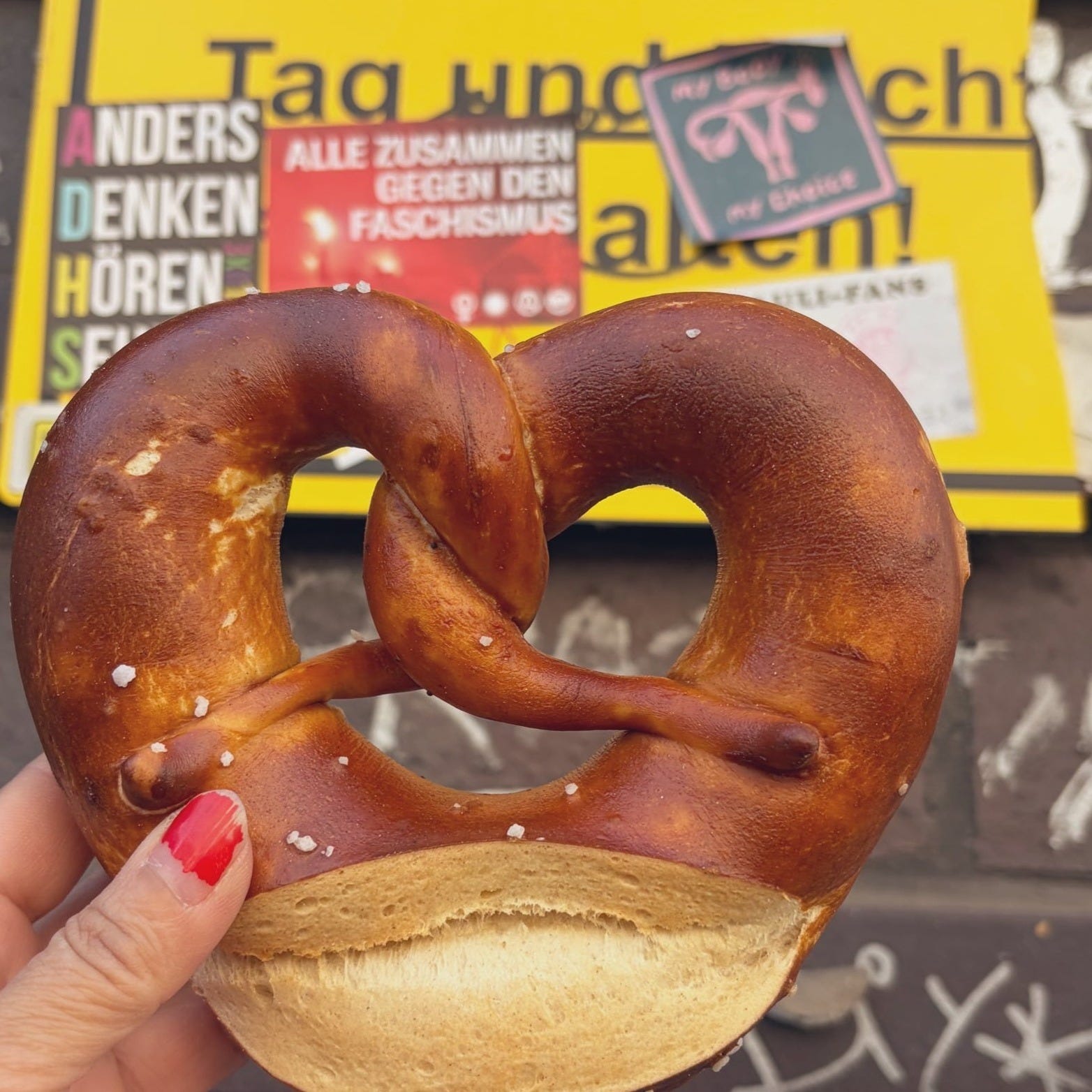
10. Going deep on everything else. These are just a few examples. I used Grok to understand everything from food history to why milk and bread simply taste better in Germany compared to North America, bioregionalism, localism, and why the pretzel became the unofficial symbol of Germany.
I went deeper into understanding neighborhoods like this one, having multiple chat conversations. It has a very interesting past and gentrification story, and uses graffiti art as resistance to modernization.
That’s it. I’m now back in Vancouver with tons of pictures and memories of the city that I keep feeding into AI to learn more.
It’s a city I explored like no other in just 3 days, thanks to AI.
I write extensively about AI, society, and solarpunk futures — connect with me on X or LinkedIn.
Originally published on Substack — read the original →.